COVID19 – All that we know till now
The novel coronavirus is something that has become a topic of panic for the whole wide world.
Some articles on this blog may contain affiliate links. Affiliate disclosure
The novel coronavirus is something that has become a topic of panic for the whole wide world. Being a professional from the medical background it’s my moral duty to make people aware of the facts and make it simple for everyone to understand this invisible monstrosity.
In this article, I have tried to jot down everything that I could understand about this pandemic.
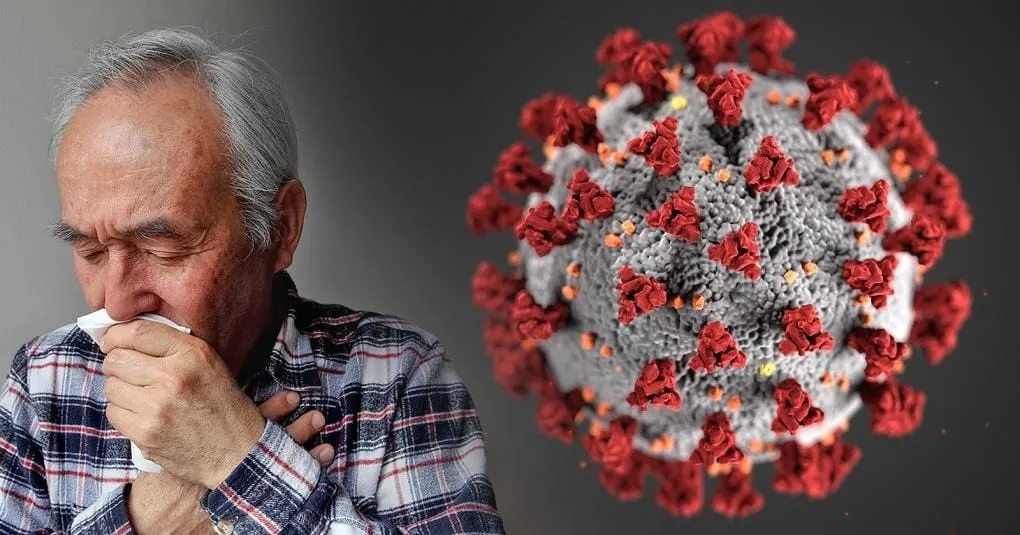
Corona Virus Family
Coronavirus is a family of viruses that have been affecting us for very long with various emergency situations including MERS CoV and SARS CoV like a pandemic that has previously occurred.
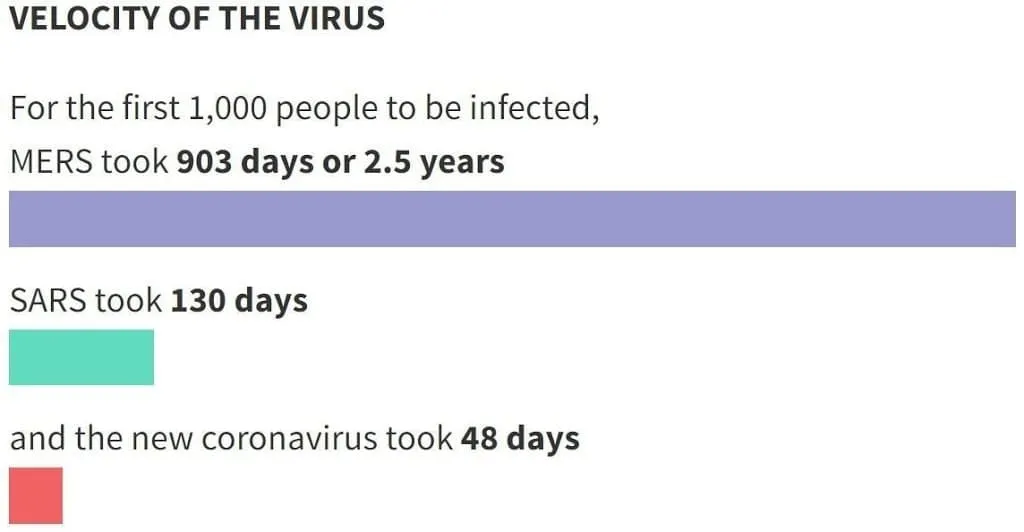 These viruses cause FLU like symptoms which range from mild fever to pneumonia and finally death due to respiratory failure. Novel coronavirus or nCov which has been now named as SARS-CoV-2 originated in WUHAN city China. It was named COVID19 by W.H.O on 11 February 2020.
Mode of Transmission
This virus usually spreads via following modes
- Droplet infection
- Close proximity
- Uncooked/Raw meat
- Foamites
- Body Fluids & Stool (not confirmed)
- Air bourne
1. Droplet infection – These viruses spread via droplet infection. Since droplets are heavier (100
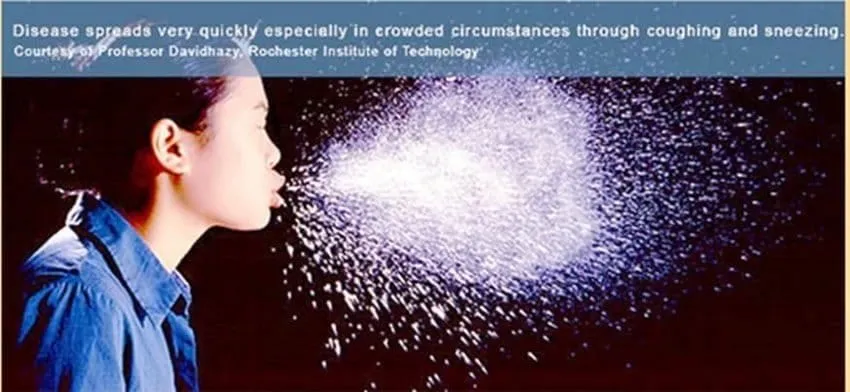
microns) they cannot travel farther than 2 meters. So it is ideal to keep a distance of 2 meters or more from an infected person exhibiting flu-like symptoms.
2. Close proximity – In this mode mainly family members get infected as we all are in close proximity and if no symptoms then we do not use protective wear but a person can be COVID19 positive and still show no symptoms.
3. Uncooked/Raw meat – Since it was first to come from animals it is prevalent in them too. So avoid easting improperly cooked meat or raw meat like sushi etc. however it cannot survive after the boiling point is reached. So there is no restriction in eating chicken or fish after properly cooking them.
4. Foamites – Foamites are finner particles that spread by our touch and settle down at a place. Coronavirus can survive for more than 24 hours over different objects. 2 hours on steel and gold, 8 hours over cardboard and more than that over plastic, maybe 24+ hours. So avoid touching all common facilities and sanitize every time after using common objects.
5. Body fluids and stool – It has not been confirmed yet that if it can spread via body fluid or stool but test samples are definitely being collected for research purposes.
6. Air bourne – WHO has confirmed that now SARS-CoV-2 remains airborne for 8 hours. This basically means that it may remain in the air in an area where an infected person sneezed where there is moisture in the air or air is heavier. It certainly doesn’t mean that it has mixed in the air and can enter our homes.
Diagnostic Criteria
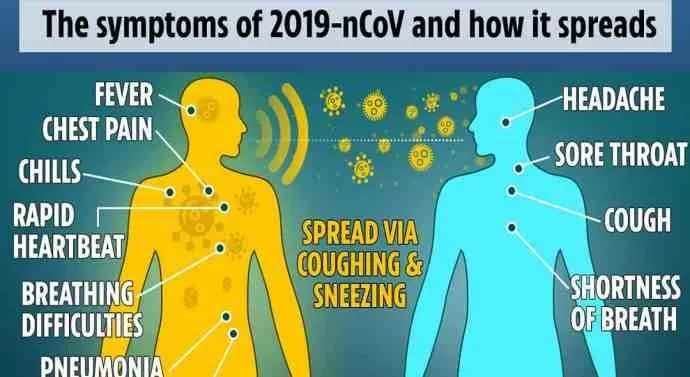
There are different stages of the symptoms by which the disease can be diagnoses but confirmatory is only via lab test.
Stage 1 Mild – low fever with or without cold and cough
Stage 2 Moderate – High fever with cold and cough and mild breathing difficulties.
Stage 3 Severe – All symptoms of moderate along with low oxygen levels (SpO2 <93%) and FiO2 <300mmHg. Rapid progressive changes in CT scan (>50%) Requires Hospital Admission
Stage 4 Critical – All symptoms of Severe stage along with Shock, respiratory failure and multiple organ failure. Requires ICU admission
Laboratory Examination
The SARS-CoV-2 virus can only be detected by lab tests which can be the following
- NAAT – Nucleic Acid Amplification test
- Serological test
- Viral sequencing and
- Viral culture
Specimens are to be collected –
- Swabs – Upper Respiratory Tract
- Mucus/Expectorant – Lower respiratory tract
- Blood
- Stool/Body Fluids
Specimens are to stored at 2-8°C for up to 4 hours and if required to store for a longer duration, then it should be kept at -20°C
Preventive Measures
As of now, there is no treatment available for COVID19. So prevention is the best cure.
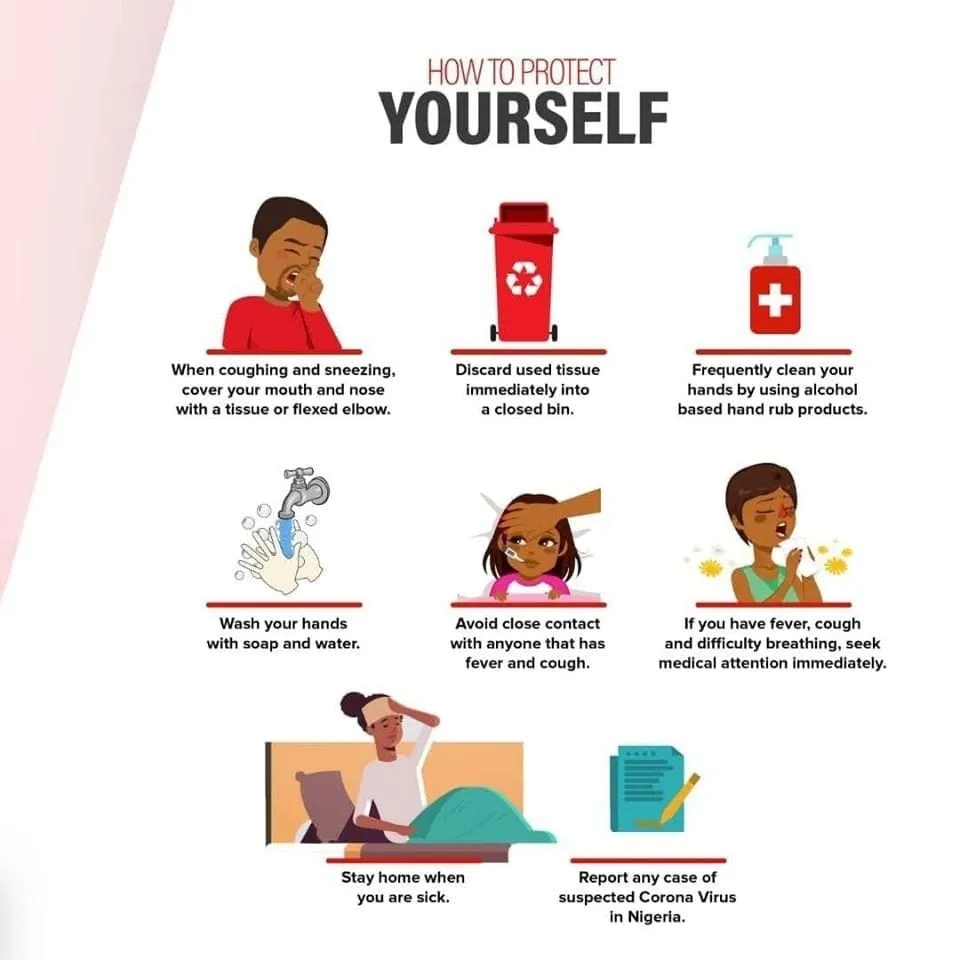
Use face masks to prevent a direct droplet infection. A normal three-ply surgical face mask will be enough since droplet size is large and doesn’t specifically require N95 or N99 masks.
The next most important thing is to maintain hand hygiene. Wash hands with soap and water by following the best handwashing practices. It is advised to wash your hands every 4-6 hours.It is best to sneeze inside elbow than to sneeze without protection or sneezing in your hands as you will eventually touch your face.
Use hand sanitizers with alcohol content above 60 percent. Coronavirus is unable to survive in 60% and above alcohol. However, it doesn’t at all mean that drinking alcohol can fight coronavirus infection.
Maintain Social Distancing – This is the only way we can fight this virus. If we remain distant and inside our homes then the virus in fomites will eventually die and this infection will not spread further in the chain.
Reference/Image sources –
1. https://www.fda.gov/emergency-preparedness-and-response/mcm-issues/coronavirus-disease-2019-covid-19
2. https://www.weforum.org/agenda/2020/02/comparing-outbreaks-coronavirus-mers-sars-health-epidemic
3. https://www.researchgate.net/figure/Influenza-virus-is-primarily-spread-from-person-to-person-by-large-respiratory-droplets_fig4_259694433
4. https://www.ubagroup.com/safeguarding-ourselves-from-the-Corona-virus
5. https://www.avenuemail.in/jamshedpur/corona-virus-china-returned-jamshedpur-residents-undergo-blood-and-throat-swab-test/144230/
6. https://www.cdc.gov/
7. https://www.mohfw.gov.in/
8. https://www.who.int/
——————————————————————————————–
Blog by –
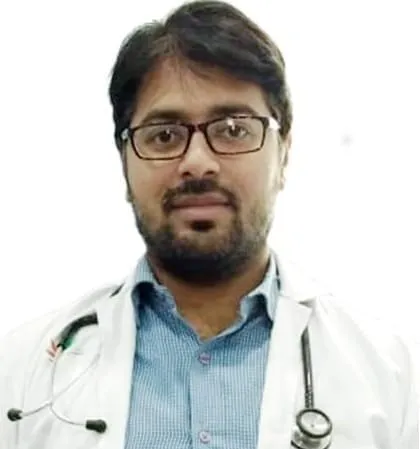 Dr. Sarthak Chakravarty
Dr. Sarthak Chakravarty
MBBS, DEM, CTBM
DG Shipping approved by Govt. of India
Consultant at 1mg Technologies Pvt. Ltd.
Ex. Apollo Hospital, Sarita Vihar, Delhi
Ex. MO at ART Center B.H.U (NACO)
Ask you questions – info@drsarthak.in
Appointment – Call – 98218 88161
or Book online
Need personal advice?
Book a consultation with Dr. Sarthak
At the Saket clinic, on a home visit in CR Park and GK2, or online by video or WhatsApp call.
Written and medically reviewed by
Dr. Sarthak Chakravarty
General Physician · MBBS [REVIEW: add degrees]
Delhi Medical Council Reg. No. DMC/R/15952
Last reviewed on
Dr. Sarthak sees patients at the Saket clinic in New Delhi, on home visits in CR Park and GK2, and online. [REVIEW: one-line bio]
More about Dr. Sarthak