Swine Flu Symptoms, Causes & Prevention: How to Protect Yourself in 2025
What is Swine Flu? Swine flu, scientifically known as the H1N1 virus, is a respiratory infection that originally spread among…

Some articles on this blog may contain affiliate links. Affiliate disclosure
What is Swine Flu?
Swine flu, scientifically known as the H1N1 virus, is a respiratory infection that originally spread among pigs and later adapted to infect humans. It caused a pandemic in 2009, and though it is now a seasonal flu strain, cases still emerge every year.
Swine Flu Symptoms: How to Identify It?
Swine flu shares many symptoms with common flu and cold, making it hard to distinguish. If you experience any of the following, you should consult a doctor:
- High fever (above 100°F or 38°C)
- Persistent cough
- Sore throat
- Runny or stuffy nose
- Body aches and chills
- Fatigue or weakness
- Nausea, vomiting, or diarrhea (more common in children)
In severe cases, swine flu can lead to pneumonia, breathing difficulties, or even organ failure.
How is Swine Flu Transmitted?
Swine flu spreads the same way as seasonal flu:
- Person-to-person contact: Through droplets released when an infected person coughs or sneezes.
- Touching contaminated surfaces: The virus can survive on objects like door handles, mobile phones, and keyboards.
- Close proximity to infected individuals: Crowded areas increase the risk of transmission.
How to Prevent Swine Flu?
Since the virus mutates every year, taking precautions is essential. Here’s how you can stay safe:
1. Get Vaccinated
Annual influenza vaccines protect against swine flu and other flu strains. Experts recommend flu shots for:
- Pregnant women
- Elderly individuals
- Young children
- People with chronic conditions (asthma, diabetes, heart disease)
2. Maintain Good Hygiene
- Wash hands frequently with soap and water for at least 20 seconds.
- Use alcohol-based sanitizers when soap isn’t available.
- Avoid touching your face, especially eyes, nose, and mouth.
3. Strengthen Your Immune System
- Eat a balanced diet rich in vitamins (Vitamin C, D, and Zinc help boost immunity).
- Stay hydrated and get enough sleep.
- Exercise regularly to improve lung function.
4. Wear a Mask in Crowded Places
Masks help reduce virus transmission, especially in public transport, hospitals, and workplaces.
5. Avoid Close Contact with Sick Individuals
If someone around you has flu-like symptoms, maintain distance and encourage them to seek medical help.
Treatment for Swine Flu
If diagnosed with swine flu, treatment involves:
- Antiviral Medications: Doctors may prescribe Oseltamivir (Tamiflu) or Zanamivir (Relenza) to reduce symptoms and recovery time.
- Rest & Hydration: Staying hydrated and getting enough rest helps speed up recovery.
- Over-the-Counter Medicines: Pain relievers like paracetamol can ease fever and body aches.
Final Thoughts
Swine flu is still a threat, but with proper precautions like getting vaccinated, maintaining hygiene, and boosting immunity, you can protect yourself and your family. If you experience flu symptoms, consult a doctor immediately.
Frequently Asked Questions (FAQ)
1. Can I get swine flu from eating pork (meat)? No, swine flu does not spread through properly cooked pork products.
2. Who is at the highest risk of complications? Pregnant women, elderly individuals, and people with weak immune systems are at higher risk.
3. Can swine flu be prevented naturally? While natural remedies like turmeric, honey, and herbal teas boost immunity, vaccination remains the most effective preventive measure.
References:
-
Cleveland Clinic. Swine Flu (H1N1) Overview
-
Mayo Clinic. Swine Flu Symptoms & Causes
-
JB Charleston. Preventing the Spread of H1N1 Influenza
-
CDC (Centers for Disease Control and Prevention). Flu Prevention
-
St. Louis Children’s Hospital. H1N1 Swine Flu Information
-
Verywell Health. How to Prevent the Flu
-
Mayo Clinic. Swine Flu Treatment & Diagnosis
More Health Reads
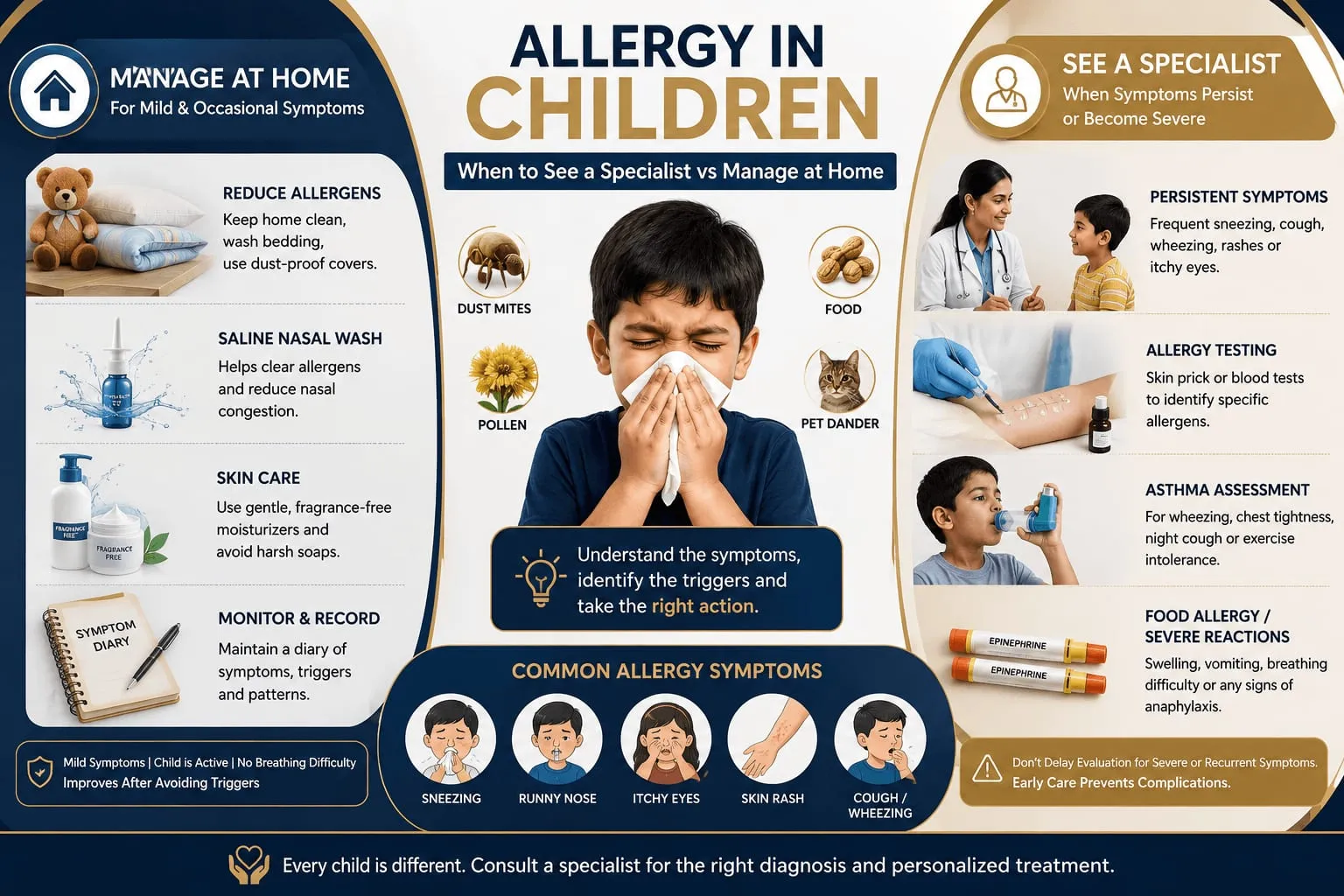
Allergy in Children: When to See a Specialist vs Manage at Home
May 29, 2026
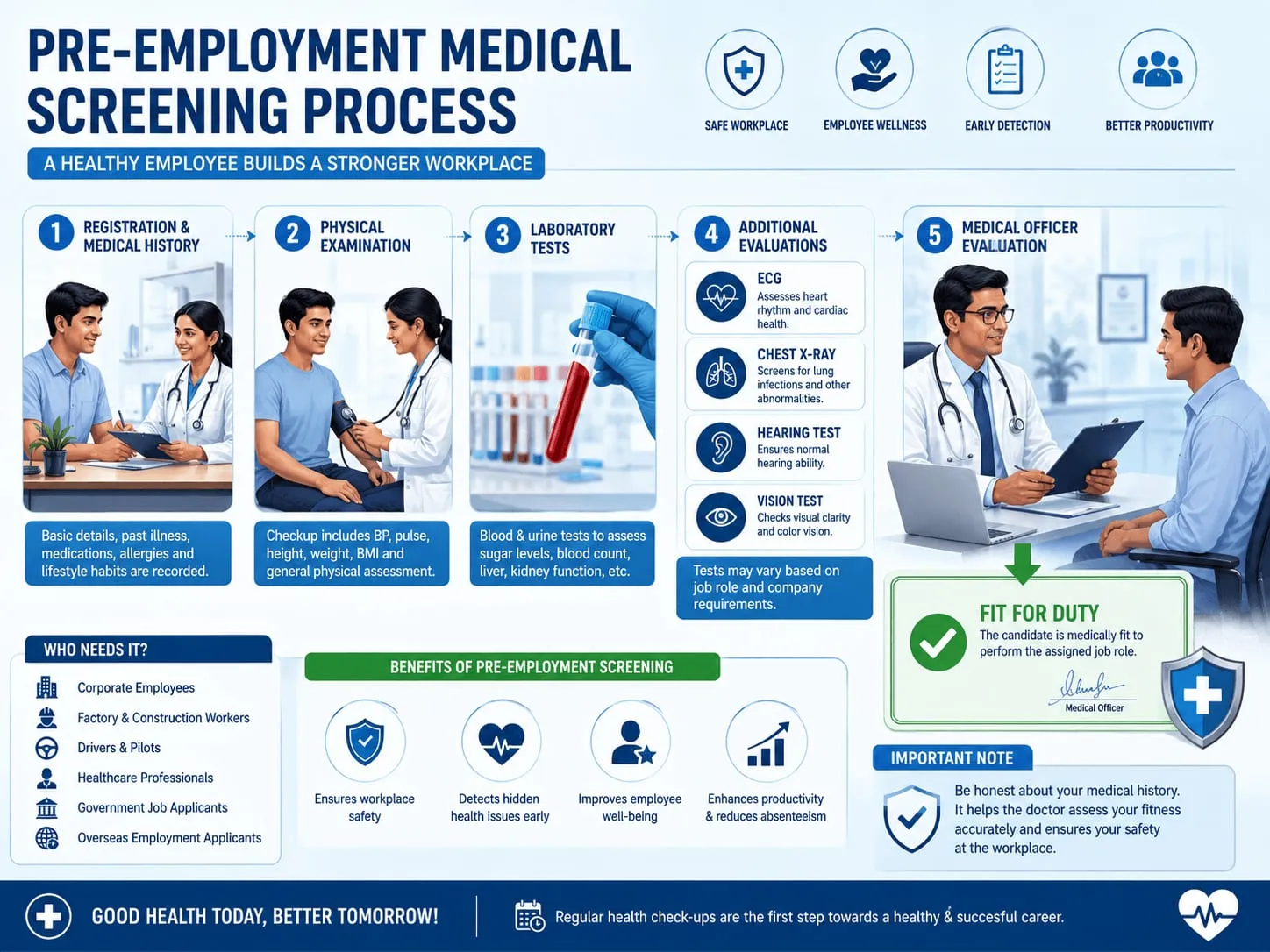
Pre-Employment and Fitness Certificate — What It Involves
May 29, 2026

When Is a Cough More Than Just a Cough?
May 22, 2026
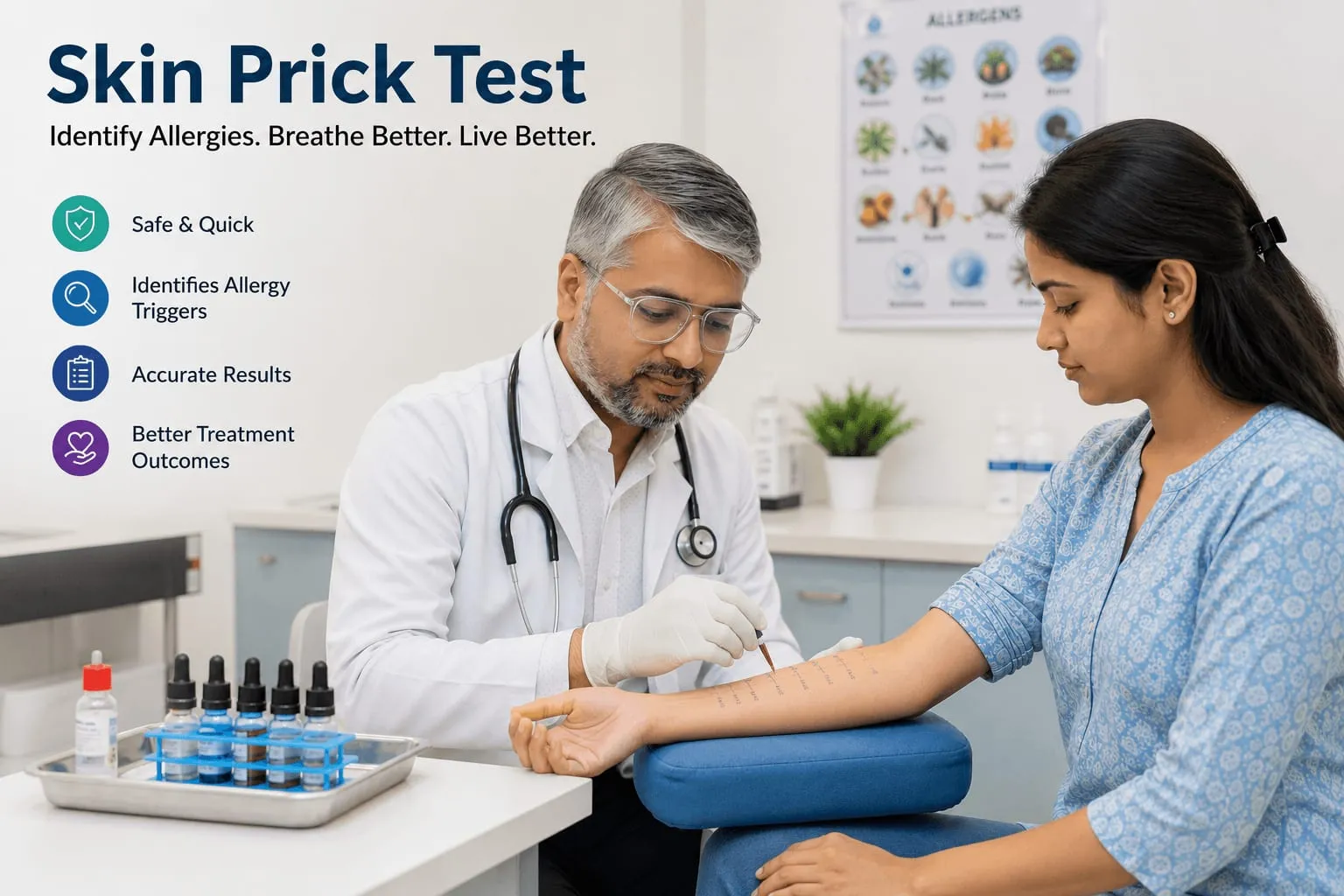
What is a Skin Prick Test? What to Expect and How to Prepare
May 20, 2026
Need personal advice?
Book a consultation with Dr. Sarthak
At the Saket clinic, on a home visit in CR Park and GK2, or online by video or WhatsApp call.
Written and medically reviewed by
Dr. Sarthak Chakravarty
General Physician · MBBS [REVIEW: add degrees]
Delhi Medical Council Reg. No. DMC/R/15952
Last reviewed on
Dr. Sarthak sees patients at the Saket clinic in New Delhi, on home visits in CR Park and GK2, and online. [REVIEW: one-line bio]
More about Dr. Sarthak

